
What happens in your body without you realising it
Many people with type 2 diabetes feel perfectly fine. Perhaps you recognise that. You watch what you eat, take your medication, and your HbA1c results at the clinic look reasonable. Yet something may be happening inside your body that you do not immediately notice.
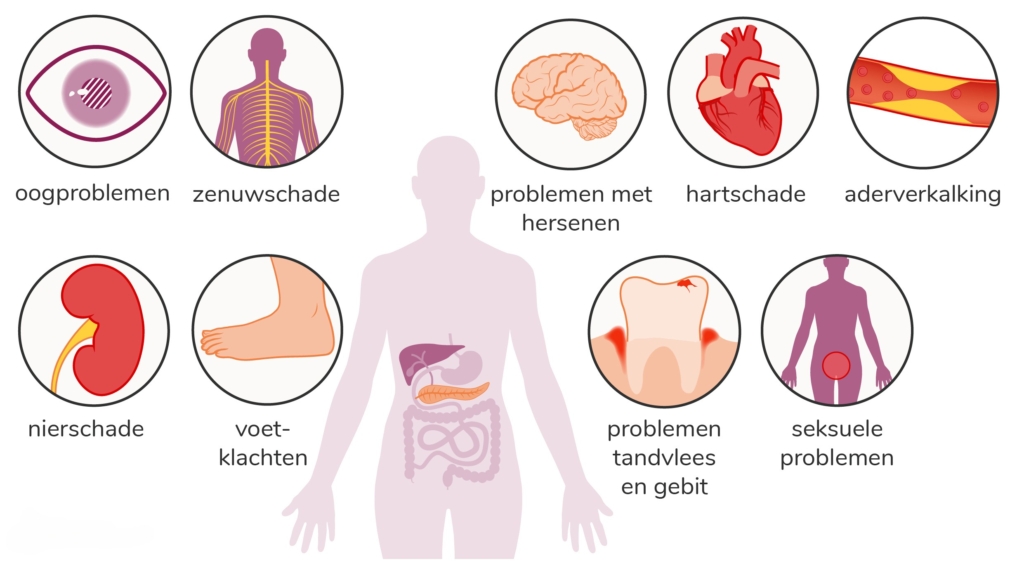
Persistently high blood sugar can, over time, damage your blood vessels, eyes, kidneys and nerves. That may sound worrying, but there is good news. By understanding what is happening in your body, you can limit much of that damage and in some cases even prevent it.
People who keep track of their glucose levels and understand what causes them to rise or fall gain far greater control over their health, both now and in the future.
What happens in your blood vessels
When too much glucose circulates in the blood, it attaches itself to proteins in the vessel walls. This makes the blood vessels less flexible and reduces blood flow. The smallest vessels, particularly those in the eyes, kidneys and nerves, are the most vulnerable. Doctors call this process glycation.
At first you do not feel anything, but over the years this damage gradually builds up. Circulation slows and cells receive less oxygen and fewer nutrients. That can lead to symptoms such as tired legs, blurred vision or tingling in the feet. In more serious cases, heart disease or kidney problems may develop.
According to the Dutch Diabetes Association, damage caused by high blood sugar can remain unnoticed for years, but early action is highly effective. People who understand their values and take an active role in managing them have a far smaller risk of complications.
Why you often do not notice it
High blood sugar does not hurt. There is no obvious warning sign, and that is what makes it tricky. The body gradually adapts to higher glucose levels, so it can seem as though everything is fine even when the damage has already begun.
By the time symptoms appear, the process has usually been developing for some time. That is why awareness and understanding are so important. Do not wait until you feel something; learn what is happening earlier so that you can act in time.
What helps to prevent damage
Having high blood sugar does not mean damage is inevitable. There is a great deal you can do to protect your body and prevent further harm. It is not about drastic changes, but about small, sustainable steps that you can maintain in everyday life.
1. Keep your glucose stable
Large fluctuations place extra strain on your body. Every time glucose rises or falls rapidly, your pancreas, liver and blood vessels have to work harder.
Choose meals that release energy slowly, such as wholegrains, vegetables, legumes and healthy fats.
Example: at lunch, opt for wholegrain bread with hummus or avocado rather than white bread with sweet spreads. The first option keeps your glucose far more stable.
2. Have regular check-ups
Your eyes, feet, blood pressure and kidneys say a lot about your overall health. Regular checks help you detect small changes early.
Example: schedule an annual eye examination and have your blood pressure measured by your GP. Early signals are often easy to treat and can prevent more serious issues.
3. Use simple everyday habits
Small adjustments can have a big effect on your blood sugar. Try, for instance:
- Take a ten-minute walk after dinner. It helps your muscles use up glucose more quickly.
- Swap sugary drinks or fruit juice for water with lemon or sparkling water.
- Include vegetables with every meal, even breakfast. Think tomato, cucumber or spinach in an omelette.
4. Eat in the right order
The order in which you eat matters. Start your meal with vegetables or protein and leave the carbohydrates until last. The fibre in vegetables forms a natural layer in your gut, slowing down sugar absorption.
Example: begin dinner with a salad or some steamed vegetables, then eat your fish or chicken, and finish with the rice, potatoes or pasta. Your blood sugar will stay far more balanced.
5. Learn your personal patterns
Because you cannot feel high blood sugar, insight is essential. A continuous glucose monitor (CGM) shows how food, movement, sleep and stress affect your levels. This knowledge helps you make choices that truly fit your lifestyle.
Example: many people discover that a short walk after eating halves their glucose spike, or that eating late keeps their levels elevated overnight. Seeing those patterns makes it easier to adjust your habits and notice real improvements.
The power of insight
Precisely because you cannot feel high blood sugar, knowing what happens in your body is so valuable. With insight you can recognise what influences your glucose levels and learn how to make practical changes.
Health is not about perfect numbers; it is about small, consistent steps in the right direction. Once you understand what your body needs, you can make better choices, and soon notice the difference: more energy, a steadier rhythm and less concern about what might be going on beneath the surface.
Insight brings calm and confidence, helping you move forward with greater control over your health.
Marnix de Haan
Healthcare Blogger & Diabetes Expert